Scholarship Access and Education Planning: A Strategic Workflow for Modern Learning
The landscape of higher education has shifted dramatically in the digital age. For students, educators, and administrators alike, the path to academic success is no longer a linear track but a complex ecosystem of funding, technology, and strategic organization. At the heart of this ecosystem lies the concept of Scholarship Access and Education Planning. This dual focus addresses two critical pillars: securing financial viability through scholarships and allowances, and structuring the academic journey through rigorous calendar planning systems. Understanding how these elements interact is essential for anyone involved in the educational sector, from university marketers designing promotional campaigns to freelancers creating assets for literacy organizations.
In practical terms, Scholarship Access and Education Planning is not merely about finding money or marking dates on a wall. It is a comprehensive process that integrates financial aid strategies with temporal management to maximize student outcomes. When visualized effectively, this process reveals how internet access expands learning opportunities, how reduced tuition fees alleviate burden, and how creative school discounts improve overall accessibility. These concepts are often communicated through educational illustrations—visual tools that translate abstract data into actionable insights. Whether you are building an e-learning service platform or managing a social media campaign for a scholarship program, grasping the mechanics of this workflow is the first step toward effective implementation.
The Intersection of Financial Aid and Academic Strategy
Before diving into specific tools or design assets, it is crucial to understand the operational relationship between funding and planning. Scholarship funding, often represented metaphorically as money sacks in illustrative content, serves as the fuel for the academic engine. However, fuel alone does not drive a vehicle; it requires a roadmap. This is where academic calendar planning systems come into play. The synergy between these two components ensures that financial resources are allocated efficiently and that students meet deadlines for applications, enrollment, and coursework.
In a real-world workflow, this integration begins long before a student steps onto campus. During the pre-project phase, which might be a semester or a year in advance, the focus is on research and preparation. Professionals in education administration use data to identify gaps in funding and areas where tuition assistance campaigns can have the most impact. They analyze how internet access correlates with student performance, recognizing that connectivity is a prerequisite for modern learning. By mapping these factors against an academic calendar, planners can predict when scholarship applications will peak and when students will need the most support.
During the execution phase, the focus shifts to active management. This involves coordinating with various stakeholders, including university promotions teams, social media managers, and direct student services. Here, the concept of "creative school discounts" becomes relevant. These are not just price cuts; they are strategic interventions designed to lower barriers to entry. When combined with robust planning systems, these discounts ensure that the right students receive the right aid at the right time. The outcome is a streamlined process where financial hurdles do not derail academic potential.
Visualizing the Process Through Educational Illustrations
One of the most effective ways to communicate the complexity of Scholarship Access and Education Planning is through high-quality visual assets. In the realm of graphic design and marketing, clarity is king. Educational illustrations serve as a bridge between technical data and human understanding. For instance, an illustration showing internet access expanding student learning opportunities can instantly convey the importance of digital infrastructure without requiring a paragraph of text. Similarly, visuals depicting reduced tuition fees through scholarships help demystify the financial aid process for prospective students and their families.
These illustrations are not static decorations; they are functional tools within a broader workflow. When used in presentations, ads, or school administration tools, they guide the audience's attention to key information. A well-designed image of a scholarship funding money sack, paired with a clear call to action, can significantly increase engagement rates in tuition assistance campaigns. Furthermore, visual representations of academic calendar planning systems help users visualize timelines, deadlines, and milestones, reducing anxiety and improving organizational efficiency.
The versatility of these visual assets makes them indispensable for diverse audiences. Marketers use them to craft compelling narratives for university promotions. Educators use them to explain complex funding structures to students. Bloggers and publishers use them to enhance articles about literacy organizations and social causes. The key lies in selecting assets that align with the specific goals of the project. Whether the objective is to promote an e-learning service or to highlight the benefits of a new allowance program, the visual language must be consistent, professional, and impactful.
Implementing Vector Assets in Your Creative Workflow
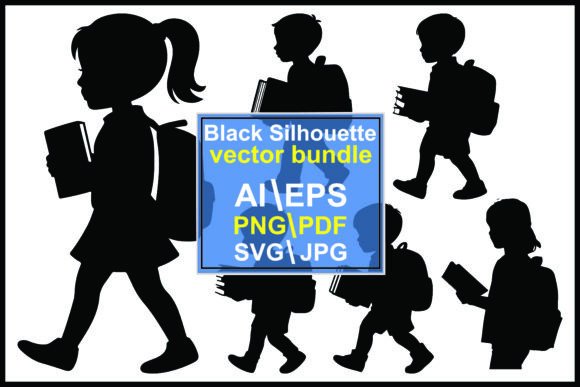
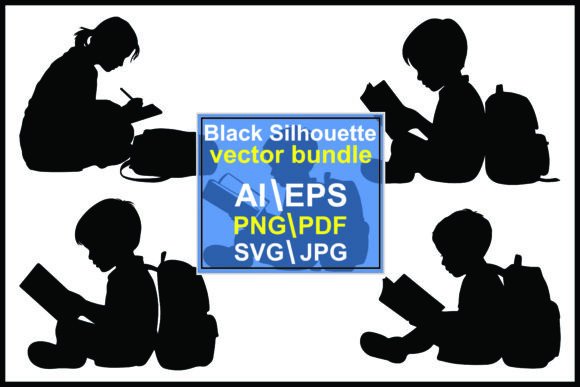
For professionals working in design, marketing, or education technology, the technical quality of these illustrations is paramount. The ability to customize and adapt assets to fit specific brand guidelines or project requirements is a significant advantage. This is where file formats like EPS and SVG become critical. Unlike raster images, vector files offer scalability without loss of quality, making them ideal for everything from small mobile app icons to large-scale print banners.
The workflow for utilizing these assets typically begins with opening the EPS or SVG file in your preferred design software. Popular tools such as Adobe Illustrator, CorelDRAW, or Inkscape allow for deep customization. Once the file is open, designers can adjust colors to match institutional branding, modify stroke thickness for better readability, or rearrange shapes to fit a specific layout. This level of control ensures that the final output is perfectly tailored to the project's needs.
Consider a scenario where a university is launching a new scholarship program. The marketing team needs assets for a website, a brochure, and a series of social media posts. By starting with a single editable vector file, they can create variations for each medium. For the web, they might export an optimized SVG for fast loading times. For the brochure, a high-resolution EPS file ensures crisp printing. For social media, they might create a PNG with a transparent background for flexible placement over photos or videos. This approach saves time, maintains consistency, and enhances the overall quality of the campaign.
Furthermore, the inclusion of a JPG preview provides a quick reference point for decision-makers who may not have access to design software. This allows for rapid review and approval processes, keeping projects on schedule. The combination of fully editable vectors and ready-to-use previews streamlines the entire production pipeline, from initial concept to final delivery.
Strategic Integration Across Platforms
Beyond the technical aspects of file manipulation, the strategic integration of these assets into various platforms is essential for maximizing their impact. In the context of e-learning services, for example, illustrations can be embedded directly into course materials to break up text and reinforce key concepts. In school administration tools, they can serve as intuitive icons for different modules, such as financial aid, scheduling, or student records.
For social media and advertising campaigns, the visual appeal of these illustrations can drive engagement and conversions. High-quality graphics stand out in crowded feeds, capturing the attention of potential students and donors. When used consistently across channels, they build brand recognition and trust. This is particularly important for literacy organizations and non-profits that rely on public support and awareness.
Long-term use of these assets also offers significant benefits. As programs evolve and new initiatives are launched, having a library of customizable illustrations allows for quick updates and adaptations. Instead of commissioning new artwork for every minor change, teams can leverage existing assets to maintain continuity while refreshing the message. This efficiency translates into cost savings and faster turnaround times, allowing organizations to focus more on their core mission and less on logistical hurdles.
Optimizing Outcomes Through Consistent Execution
Ultimately, the success of any initiative related to Scholarship Access and Education Planning depends on consistent execution. Whether you are a freelancer creating content for a client, a publisher producing educational materials, or a small business owner offering tutoring services, the principles remain the same. Preparation, compatibility, usability, and organization are the cornerstones of a successful workflow.
Preparation involves understanding the target audience and the specific goals of the project. Compatibility ensures that the assets work seamlessly across all intended platforms and devices. Usability focuses on how easily the end-user can interact with the content, whether that means reading a webpage or navigating a planning tool. Organization keeps all files and resources accessible and manageable, preventing bottlenecks and errors.
By adopting a process-oriented approach to Scholarship Access and Education Planning, professionals can deliver higher quality results that truly make a difference. The combination of strategic thinking, practical implementation, and high-quality visual assets creates a powerful framework for driving positive change in education. From reducing tuition fees to expanding learning opportunities through the internet, every element plays a vital role in shaping the future of academic achievement.
As you integrate these concepts into your own work, remember that the goal is not just to produce content, but to facilitate understanding and action. Whether you are designing a presentation for a board meeting or creating an ad for a scholarship program, your work has the potential to open doors for countless students. By leveraging the right tools and following a structured workflow, you can ensure that your contributions are both impactful and sustainable.