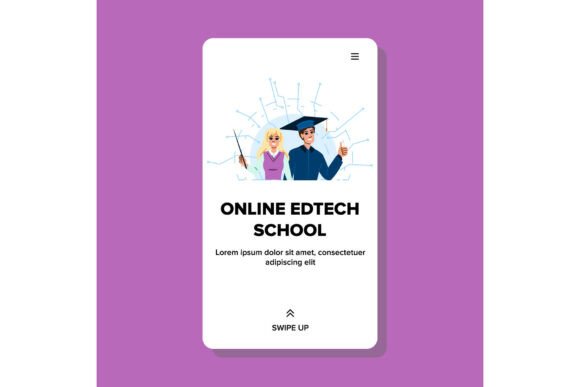
Education Online Edtech School Vector: A Practical Asset for Digital Learning Design
In the rapidly evolving landscape of digital education, visual communication plays a pivotal role in how information is absorbed and retained. For professionals ranging from instructional designers to marketing directors, the Education Online Edtech School Vector has emerged as a critical resource for illustrating complex concepts with clarity and appeal. Unlike static photography or generic stock images, this specific category of vector art offers a scalable, editable, and consistent visual language that aligns perfectly with the needs of modern edtech platforms. Understanding the utility of these assets requires looking beyond simple aesthetics to their functional application in user interfaces, educational materials, and brand storytelling.
The Strategic Value of Scalable Vector Graphics in Education
The primary advantage of utilizing an Education Online Edtech School Vector lies in its technical architecture. Vectors are defined by mathematical equations rather than pixels, meaning they can be resized infinitely without losing resolution. In an industry where content must adapt to everything from high-resolution desktop monitors to small mobile screens, this scalability is non-negotiable. When designing a virtual classroom interface, a single icon representing a "student" or a "digital platform" must remain crisp whether it appears as a tiny favicon or a full-screen hero image.
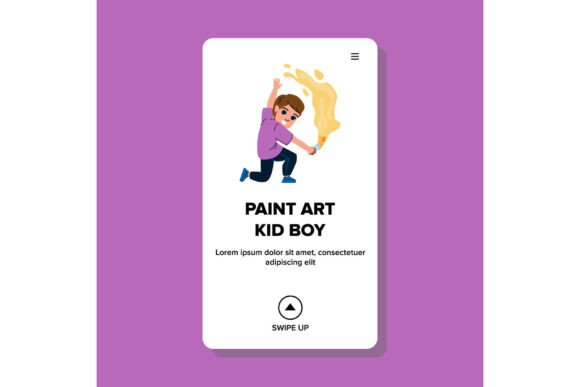
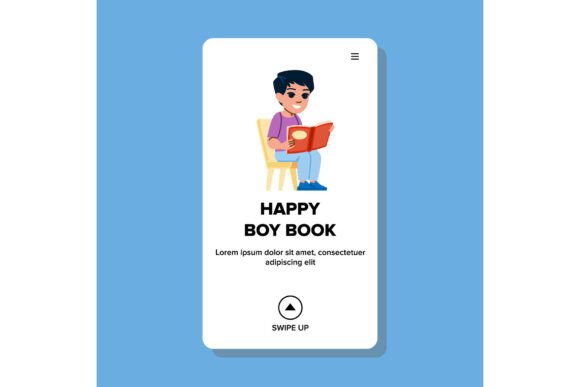
Beyond technical necessity, these vectors serve a psychological function. The flat, cartoon-style illustrations often associated with this asset class reduce cognitive load. Complex topics in STEM or business education can be intimidating; presenting them through friendly, approachable visuals helps lower barriers to entry. A well-crafted Education Online Edtech School Vector set creates a cohesive visual environment that feels welcoming rather than sterile. This is particularly important for adult learners who may feel apprehensive about returning to formal education settings. The visual tone sets the expectation for the learning experience, signaling accessibility and modernity.
Key Characteristics of High-Quality Edtech Illustrations
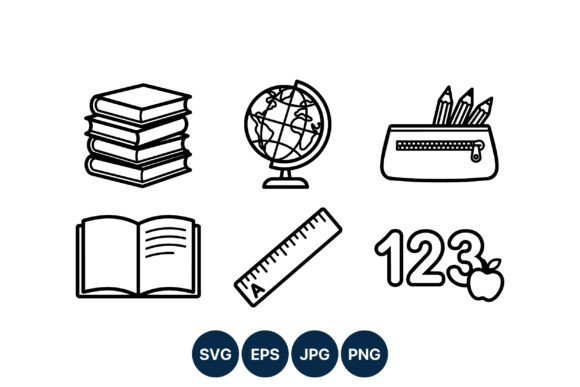
Not all vector assets are created equal. When evaluating an Education Online Edtech School Vector, several characteristics distinguish professional-grade resources from amateur attempts. First is consistency. A robust collection will maintain uniform stroke weights, color palettes, and character proportions across all elements. If a teacher illustration uses a bold blue outline while a student icon uses a thin red one, the result is visual dissonance that undermines the credibility of the platform.
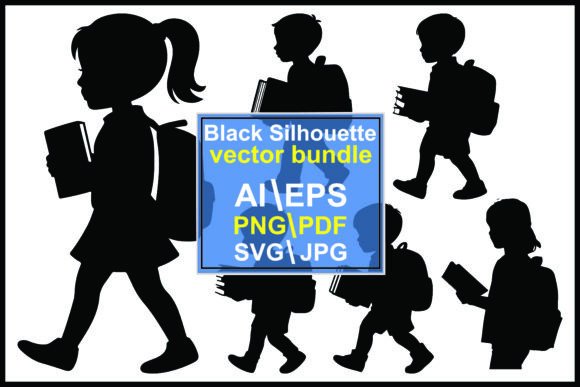
Secondly, the subject matter must reflect current realities. Older stock imagery often depicts outdated technology, such as bulky CRT monitors or clunky laptops. Modern edtech vectors should feature sleek tablets, cloud computing symbols, and diverse representations of students and educators. The inclusion of varied demographics in these illustrations is no longer optional; it is a requirement for inclusive design. A strong asset library will offer options that represent different ages, ethnicities, and abilities, ensuring that the visual narrative resonates with a global audience.
Finally, editability is a crucial factor. The best vector files come with organized layers, allowing designers to swap colors, adjust poses, or combine elements to create custom scenes. This flexibility transforms a static image into a dynamic tool. For instance, a designer might take a base "classroom" vector and modify the background to include specific branding colors or add a new element like a VR headset to signal advanced training modules.
Real-World Applications and Workflow Integration
The practical value of an Education Online Edtech School Vector becomes most apparent when integrated into actual workflows. Consider the scenario of a startup launching a new online course platform. The team needs to populate a landing page, create social media graphics, and design internal dashboards. Using photography for every single touchpoint would be cost-prohibitive and stylistically inconsistent. Instead, a comprehensive vector pack allows the team to maintain a unified brand identity across all channels efficiently.
In the context of e-learning courseware, these vectors are indispensable for creating engaging slide decks and interactive modules. An instructional designer can use a "learning virtual classroom" vector to illustrate a concept of remote collaboration without needing to stage a photoshoot. The ability to animate these vectors further extends their utility. Many modern authoring tools allow for simple motion graphics based on vector paths, turning a static illustration of a student raising a hand into a subtle animation that draws attention during a presentation.
For marketers, the versatility of these assets supports A/B testing and rapid iteration. If a campaign featuring a "web flat cartoon illustration" of a graduation cap underperforms, the marketer can quickly swap it for a "digital platform" icon or a "students education online" scene without waiting for a photographer or illustrator to produce new assets. This agility is essential in the fast-paced world of digital marketing, where trends shift weekly and campaigns must pivot instantly.
Evaluating Quality and Long-Term Viability
When investing in a subscription or purchasing a license for an Education Online Edtech School Vector, long-term viability is a key consideration. Trends in graphic design evolve, but the core principles of good illustration remain constant. However, overly stylized or trendy designs—such as those relying heavily on gradients or 3D effects that were popular a few years ago—may date quickly. Flat design, which characterizes many of these educational vectors, tends to have a longer shelf life due to its clean, timeless aesthetic.
Reliability also depends on the source. Reputable providers ensure that their files are free of errors, such as unclosed paths or missing fonts, which can cause headaches during production. Furthermore, the licensing terms must be clear. Professionals need to know if they can use the assets for commercial products, if they require attribution, and what restrictions exist regarding modification. A vague license agreement can lead to legal complications down the line, negating any initial savings.
Consistency in updates is another marker of quality. As the edtech sector introduces new modalities like AI tutors, metaverse classrooms, and micro-credentialing badges, vector libraries must evolve to include these elements. A provider that regularly refreshes its catalog ensures that users always have access to relevant imagery that speaks to the cutting edge of the industry.
Who Benefits Most from These Assets?
The utility of an Education Online Edtech School Vector extends across a broad spectrum of professionals. For freelancers and creators, these assets provide a shortcut to producing high-quality deliverables without the overhead of hiring a dedicated illustrator. A blogger writing about the future of learning can enhance their articles with custom diagrams that explain complex data visually.
Small business owners running training academies or tutoring centers benefit from the ability to create branded materials that look enterprise-level. A local coding bootcamp can use these vectors to design brochures, website banners, and certification templates that compete with larger institutions.
Entrepreneurs developing educational software rely on these visuals to prototype user interfaces. Before writing a single line of code, a founder can sketch out the app's flow using vector mockups, communicating the vision to developers and investors more effectively than text descriptions ever could.
Even educators within traditional institutions find value here. Teachers creating supplemental materials for hybrid learning models can use these illustrations to make worksheets and presentations more engaging for students accustomed to digital media.
Potential Limitations and Considerations
While highly useful, these assets are not a panacea. One limitation is the risk of overuse. Because vector packs are widely available, there is a chance that multiple organizations end up using identical imagery, leading to a generic look that fails to differentiate a brand. To mitigate this, users must be willing to customize the assets significantly, altering colors, combining elements, or adding unique textures.
Additionally, the "cartoon" style, while friendly, may not suit every context. Serious corporate compliance training or medical education might require a more realistic or subdued visual approach. In such cases, the playful nature of a standard Education Online Edtech School Vector could undermine the gravity of the subject matter. It is essential to match the visual tone to the intended message and audience expectations.
Furthermore, reliance on pre-made assets can sometimes stifle creativity. While they accelerate production, they may limit the scope of unique storytelling. The most effective projects often blend stock vectors with original illustrations to create a distinctive visual voice.
Conclusion on Practical Application
The decision to incorporate an Education Online Edtech School Vector into a project should be driven by specific goals: efficiency, scalability, and visual consistency. For professionals navigating the complexities of digital education, these assets offer a pragmatic solution to the challenge of communicating abstract ideas clearly. They bridge the gap between technical functionality and human engagement, making the digital classroom feel less like a screen and more like a community.
By selecting high-quality, customizable, and inclusive vector resources, organizations can enhance their brand presence and improve the learner experience. Whether used for a quick social media post or a comprehensive course curriculum, the right visual assets act as silent ambassadors for the educational mission. As the sector continues to grow, the demand for versatile, reliable, and aesthetically pleasing illustrations will only increase, cementing the role of these vectors as a staple in the toolkit of modern education professionals.